Skip to content
Dr. Natalie LopezChiropractor
Menu

Neck Pain Chiropractor in Oakville

Neck pain can make sleep, desk work, or feeding your baby uncomfortable. Dr. Natalie Lopez provides hands-on treatment and practical exercises tailored to your needs at Preserve Oak Wellness, in Oakville.

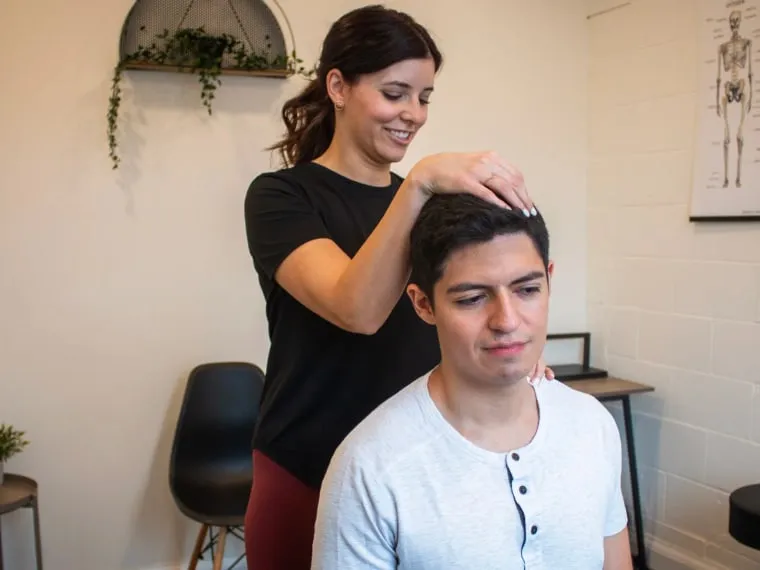
A chiropractor assessing the neck of a seated patient in a treatment room.

Can a chiropractor help neck pain?

Yes. Chiropractic care may help when neck pain involves the joints or muscles. Dr. Natalie assesses both, because muscle tension and restricted joint movement can occur together.

Concerns Dr. Natalie assesses include:

  • Joint restriction or irritation, such as waking up and not being able to turn the neck
  • Neck muscle tension
  • Nerve-related neck pain, including nerve impingement and stenosis

Dr. Natalie adapts gentle joint mobilization and stretching to your comfort.

Neck Pain, Stiffness, and Shoulder Tension

Whether neck pain starts suddenly or builds over time, Dr. Natalie considers how your neck, upper back, shoulders, and jaw work together.

You will have time to explain what hurts and what you want to get back to. Together, you will agree on a plan that fits your daily life and comfort.

If tension returns after massage, joint movement may also need attention. Care may include exercises for the mid back when it contributes to neck strain.
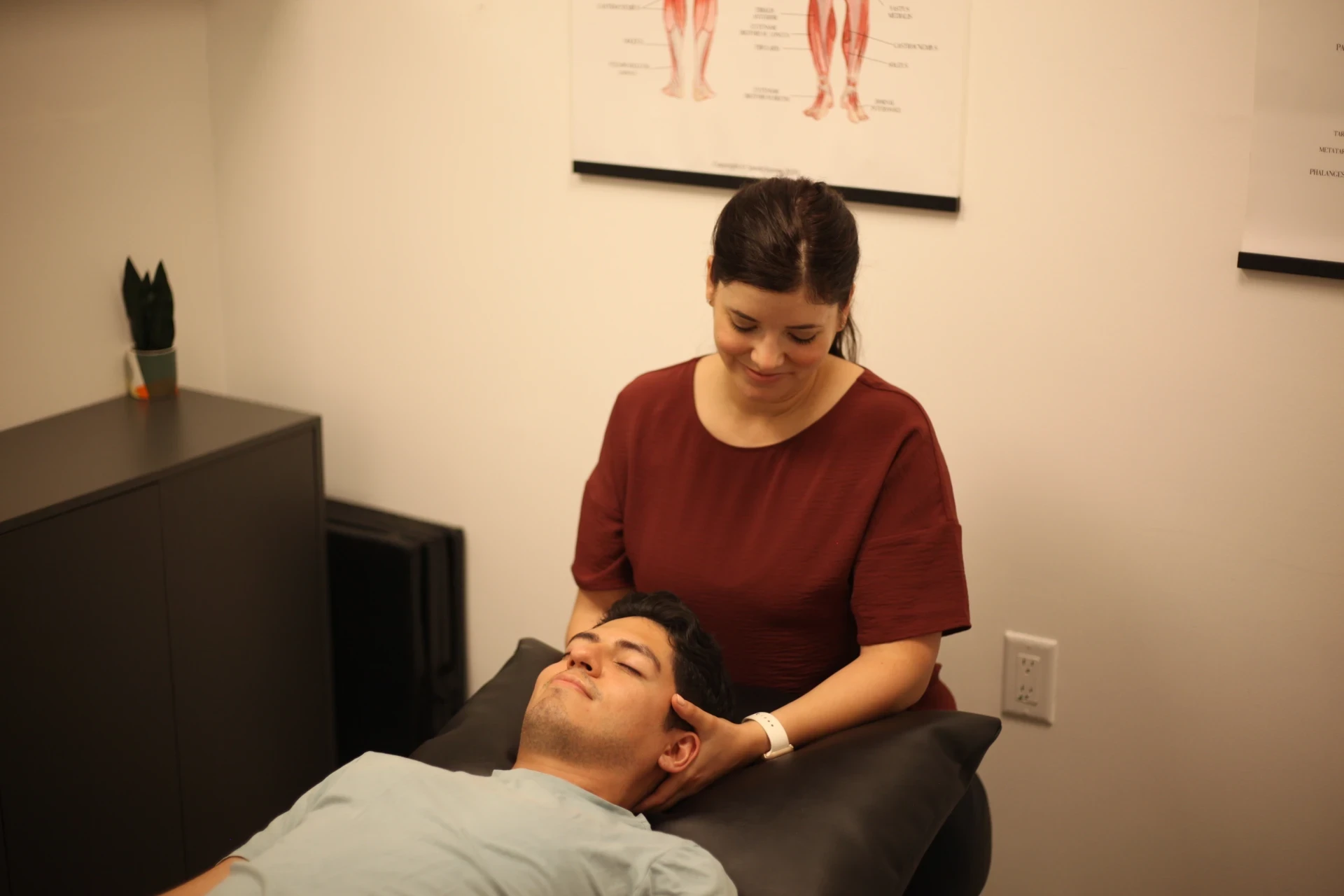

Neck Pain Treatment in Oakville: How Dr. Natalie Helps

Care is selected from the assessment, your preferences, and the goals that matter to you.

You do not have to get your neck adjusted

A neck adjustment is optional. Depending on your assessment and comfort, other options include:

  • Joint stretches and joint mobilization to restore movement through the neck.
  • An upper back adjustment (when the patient is comfortable), which often creates more room for neck movement without adjusting the neck.
  • Functional integrated acupuncture, when it fits the assessment and the patient's comfort.
  • Neck stretching and retraining the neck muscles.

Care always follows what the patient is comfortable with. If a neck adjustment is the right call, it is done with the patient's consent, after a joint, muscle, and disc assessment, and with the small, gentle movement shown first. Dr. Natalie also asks about any recent concussion, dizziness, or vertigo. When those are part of the picture, adjustments are usually not the primary approach.

Joint and movement assessment

Dr. Natalie assesses how the neck and upper back move, along with the activities and positions that change your symptoms.

Hands-on care

When appropriate, care may include chiropractic adjustments and soft-tissue techniques for the neck, shoulders, and upper back.

Acupuncture

Functional integrated acupuncture may be included when it fits your assessment, preferences, and care plan.

Practical movement support

You will leave the session with exercises or movement cues selected for your work, sleep, training and recovery goals.

What about arm tingling or numbness?

Tingling or numbness into the shoulder blade or arm can come with neck pain. It can come from a muscle, disc, or joint irritating a nerve, and Dr. Natalie can assess it and refer you to your doctor if needed. As a general note, if arm numbness ever comes with shortness of breath, dizziness, nausea, a sudden headache, feeling faint, or difficulty speaking or swallowing, go to the emergency department.

What Your First Visit Looks Like

Your initial assessment and treatment appointment at her Oakville office is a full 60 minutes.

Conversation

Dr. Natalie asks how the problem started, what changes it, what you have tried, and what you want to get back to.

Focused Assessment

She examines relevant movement, joints, muscles, and surrounding areas rather than looking only at the painful spot.

Clear Explanation

You will hear what she found in plain language and discuss the care options that make sense for you.

Treatment

After the assessment and explanation, treatment begins during the first appointment, with your comfort and consent guiding each step.

When should you book an assessment for neck pain?

If neck pain keeps returning or is making everyday tasks uncomfortable, an assessment can help you understand your next step.

  • You regularly wake with a stiff or sore neck
  • Turning your head makes driving or checking over your shoulder uncomfortable
  • Neck or shoulder tension interrupts your work or sleep
  • Symptoms keep returning when you exercise or return to your usual routine
  • Stretching or changing your setup has not given you lasting relief

Dr. Natalie explains whether chiropractic care fits or another provider should assess you first. She treats lingering neck pain from past collisions or whiplash, but not new motor vehicle accident injuries or accident-insurance claims. Appointments are at Preserve Oak Wellness in Oakville, near Dundas St W and Sixth Line.

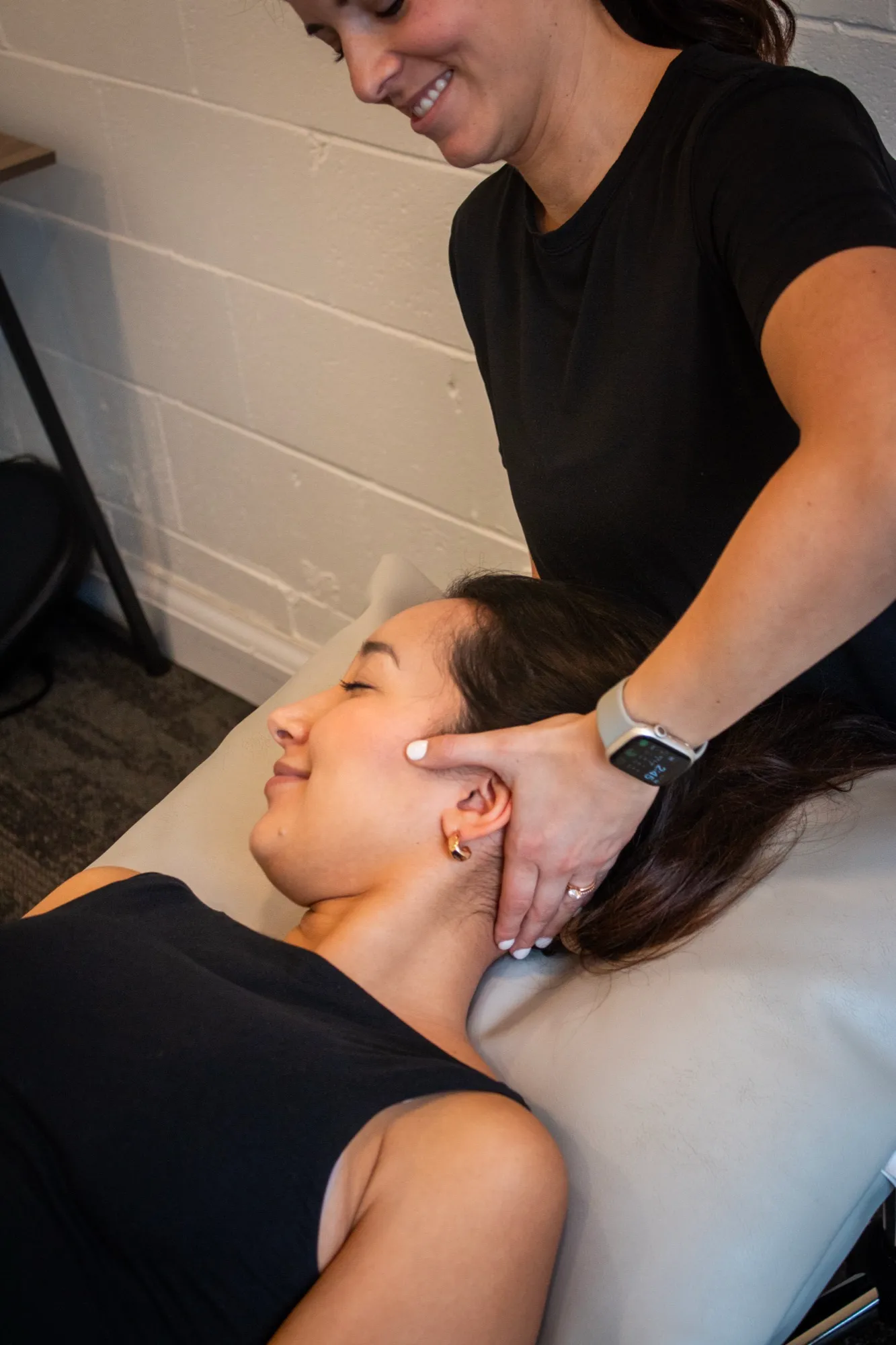
Dr. Natalie providing hands-on neck treatment to a patient lying on a treatment table.

What patients say about Neck Pain

Neck Pain FAQs

How many visits will I need for neck pain?

It depends on what Dr. Natalie finds, how long symptoms have been present, and how you respond. She will outline a realistic plan after the first assessment and adjust it as your needs change.

Is neck adjustment safe?

Dr. Natalie assesses the joints, muscles, and discs of the neck first. If you are nervous about a neck adjustment, adjustments are completely optional and are only done when you are completely comfortable. When an adjustment is the right call, the joint is taken gently to its end range and a little past. The popping sound is not bone on bone; it is gas releasing from the joint, like cracking your knuckles, and it sounds louder because it is close to the ear. The movement is shown first and you are always in control of your session.

Do I need a referral?

No referral is needed to book. Some insurance plans have their own reimbursement rules, so it is helpful to confirm your coverage directly.

Can Dr. Natalie assess neck pain after a collision?

Dr. Natalie does not treat new motor vehicle accident injuries or handle accident-insurance claims. She does assess and treat neck pain that has lingered since a past collision or whiplash, and this is a common reason patients book. For new accident-related injuries, she recommends a provider who specializes in accident care and can support the insurance claim.

Does treatment hurt?

Most patients find treatment comfortable and often leave feeling lighter and more at ease. You may notice a sense of pressure or release during hands-on work, and mild, short-lived soreness afterward is simply the body adapting. Dr. Natalie checks in throughout the visit and adjusts pressure, positioning, and technique to your comfort, so you always know exactly what to expect.

What if I sit at a desk all day?

Desk work, screen habits, and long periods without movement are among the most common drivers of neck pain and shoulder tension Dr. Natalie sees. She assesses how your daily demands are contributing to your symptoms, then builds a plan that pairs hands-on treatment with practical changes and exercises you can apply right at your desk, so relief carries into your workday.

Should I see a chiropractor, a physiotherapist, or a massage therapist for neck pain?

All three look at overlapping areas through a different primary lens. A chiropractor starts with how the joints move and addresses the surrounding muscle tension and strength. A physiotherapist looks at the same areas primarily through muscle strength and weakness. A massage therapist focuses on muscle and soft-tissue tension. Dr. Natalie's rule of thumb: a hard-to-turn neck with restricted joint motion often responds well to chiropractic care first. General body tension may benefit from massage. Recurring or strength-related issues, including tendon irritation, often benefit from physiotherapy, with chiropractic and massage as helpful complements.

Take the Next Step Toward Neck Pain Relief

Book a 60-minute first visit with Dr. Natalie in Oakville, or start with a free 10-minute phone consultation if you have questions about treatment.

Book