Skip to content
Dr. Natalie LopezChiropractor
Menu

How Soft Tissue Therapy Helps You Move and Feel Better

Hands-on soft-tissue care used within a broader plan for movement, pain, and recovery. Dr. Natalie provides this care at Preserve Oak Wellness in Oakville.

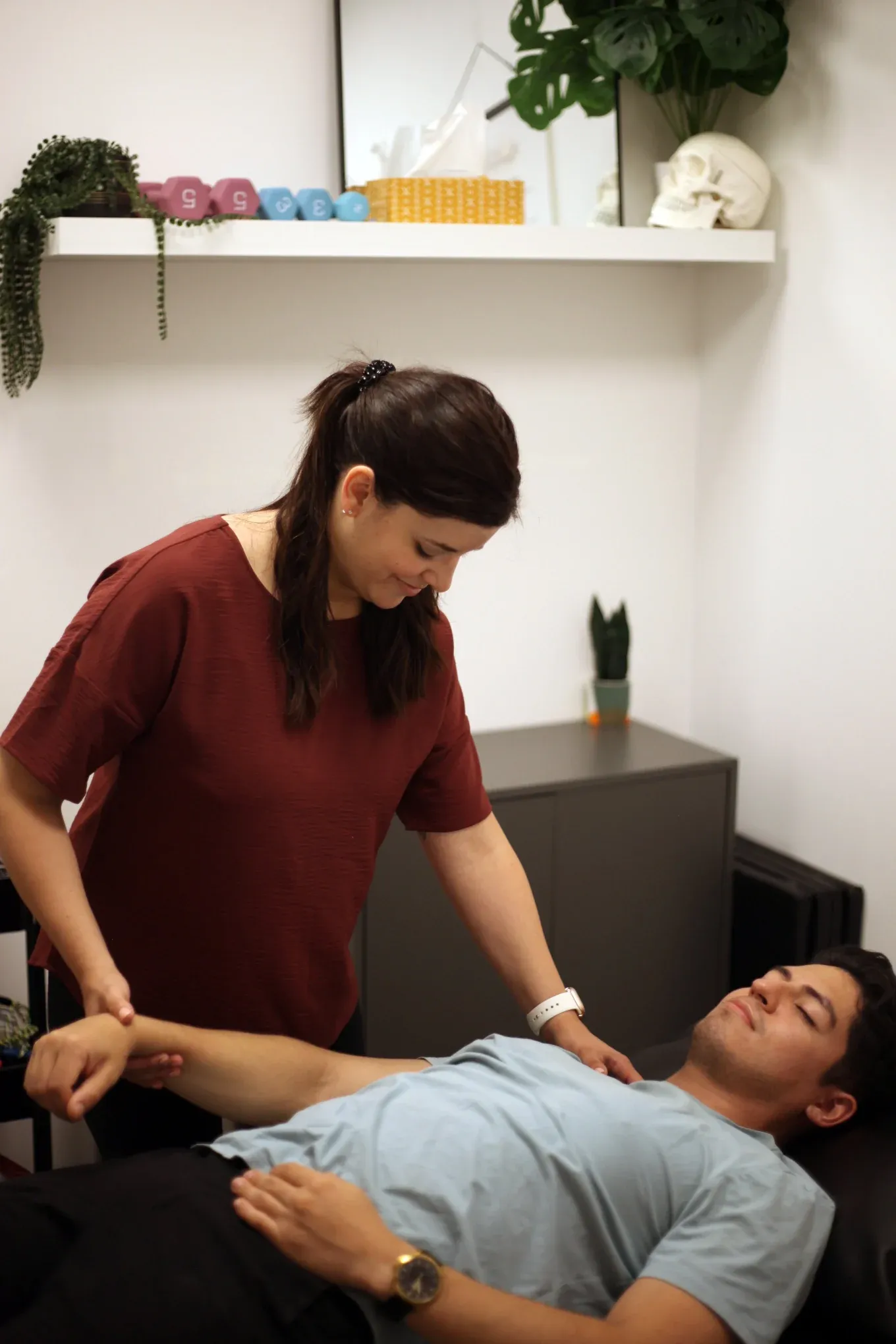
Dr. Natalie Lopez providing hands-on soft-tissue treatment in a clinic room.

When Your Muscles Need More Than an Adjustment

Muscles and connective tissue can become tender, guarded, or restricted after injury, repetitive activity, or changes in movement. Dr. Natalie may use myofascial and other soft-tissue techniques as part of a plan that also considers joints, strength, mobility, and daily demands.

Tightness is not always the whole problem. Dr. Natalie considers why an area may be guarded, how it affects movement, and what else needs to be addressed. That context helps make hands-on care more specific.

Techniques may include sustained pressure, active movement, or other soft-tissue methods. Pressure is adjusted based on the area and your feedback. After soft-tissue care, Dr. Natalie may recheck a movement or give you a focused exercise. This connects the hands-on work to the activity or goal that brought you in.
What Is Myofascial Release?

Muscles, fascia, and connective tissue can remain tender, guarded, or restricted after injury, repetitive activity, training, or long periods in one position. Dr. Natalie assesses how the tissue, joints, movement, and daily demands may be working together.

  • Neck and shoulder tension that does not settle with usual stretching
  • Lower-back stiffness alongside muscle guarding
  • Hip or leg tightness that limits comfortable movement
  • Reduced range of motion associated with soft-tissue tension
  • Symptoms following sport, work, or repetitive activity

What to Expect During Your Soft Tissue Session

Care is selected from the assessment, your preferences, and the goals that matter to you.

Identify relevant tissue

Dr. Natalie uses the history, movement assessment, and palpation to understand which areas may be contributing.

Targeted hands-on work

Pressure and technique are adapted to the tissue, the goal, and your comfort rather than following a fixed routine.

Combine with joint care

Soft-tissue treatment may be used alongside chiropractic techniques when both are relevant.

Reinforce with movement

Mobility or strengthening exercises may help you use the change in movement after treatment.

What Your First Soft Tissue Visit Looks Like

Your initial assessment and treatment appointment is a full 60 minutes.

Clarify the goal

Dr. Natalie asks what feels restricted or painful and which activities you want to improve.

Assess movement and tissue

She examines the painful area and related movement to decide where treatment may be useful.

Explain the technique

You will know where and how she plans to work and can give feedback about pressure throughout.

Recheck movement

After treatment, Dr. Natalie reassesses relevant movement and may add a simple exercise or next step.

Soft Tissue Care as Part of a Full Plan

Soft-tissue treatment is part of Dr. Natalie's chiropractic care rather than a separate massage service. It may be used before or after joint-focused care, alongside acupuncture, or with rehabilitation when those options fit the findings.

A single provider follows the full history, reassesses your response, and connects hands-on treatment with the movement or activity you want to improve.

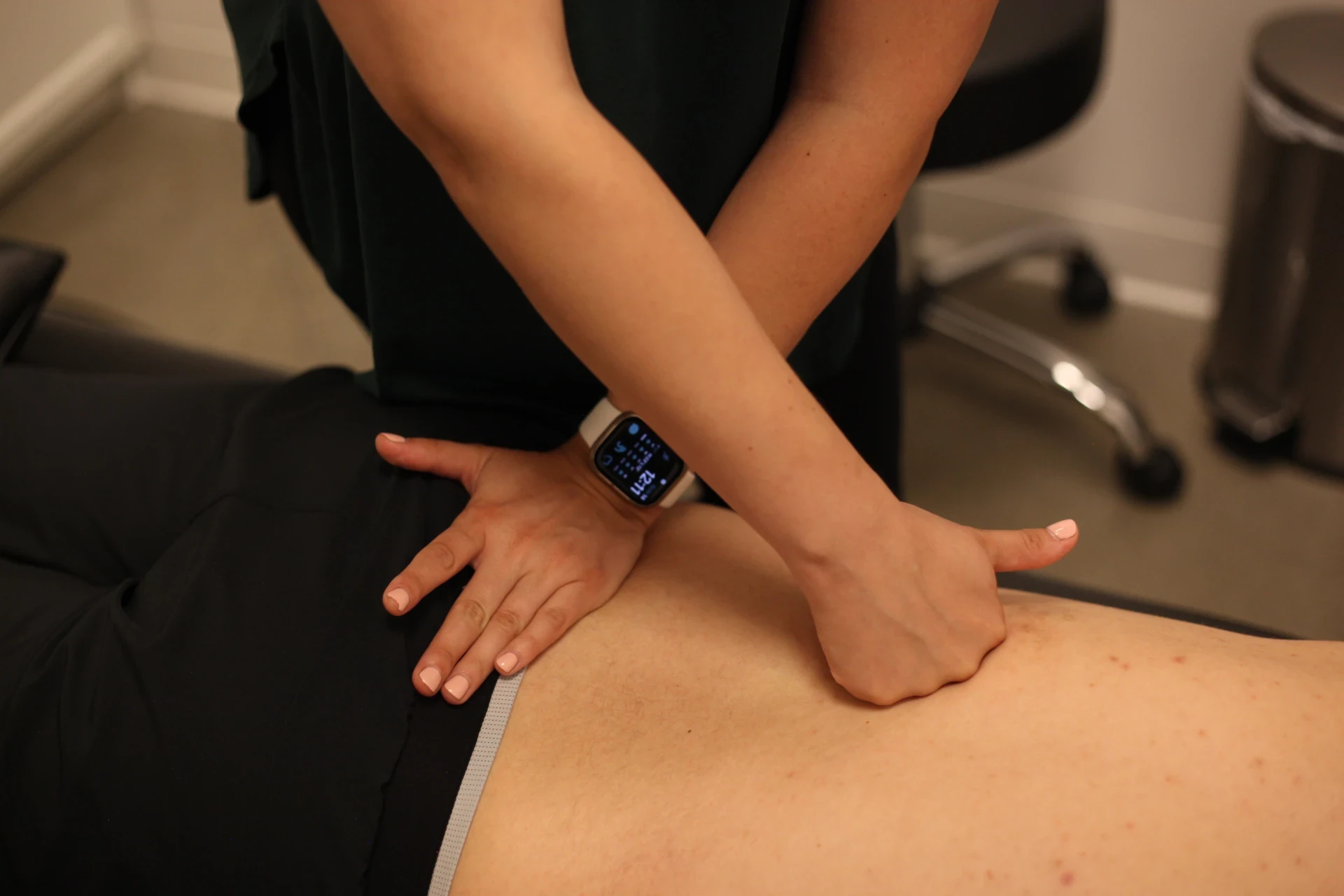
Dr. Natalie providing hands-on soft-tissue treatment to a patient's upper back.

Soft Tissue Therapy FAQs

Is myofascial release the same as massage?

There can be overlap in hands-on soft-tissue techniques. Dr. Natalie uses soft-tissue care within a chiropractic assessment and treatment plan focused on the specific presentation.

Does soft-tissue treatment hurt?

You may feel pressure or tenderness, but treatment should remain tolerable. Tell Dr. Natalie what you feel so she can adapt the pressure and technique.

Can I book only for soft-tissue care?

You can discuss that preference, but Dr. Natalie will still complete an appropriate assessment and recommend the care that fits the findings.

Is exercise part of the visit?

It may be. Movement or strengthening work is often useful when it supports the treatment goal and gives you a practical step between appointments.

How many sessions will I need?

That depends on the assessment, your goals, how long symptoms have been present, and how you respond. Dr. Natalie will discuss a realistic starting plan at the first visit and review it with you as care progresses.

Ready to Get the Tissue Moving?

Book a full first visit with Dr. Natalie or start with a free 15-minute consultation.

Book