Skip to content
Dr. Natalie LopezChiropractor
Menu

Jaw Pain and TMJ Treatment in Oakville

Personalized care for jaw pain, clicking, tension, restricted opening, and related head or neck symptoms. Dr. Natalie provides this care at Preserve Oak Wellness in Oakville.

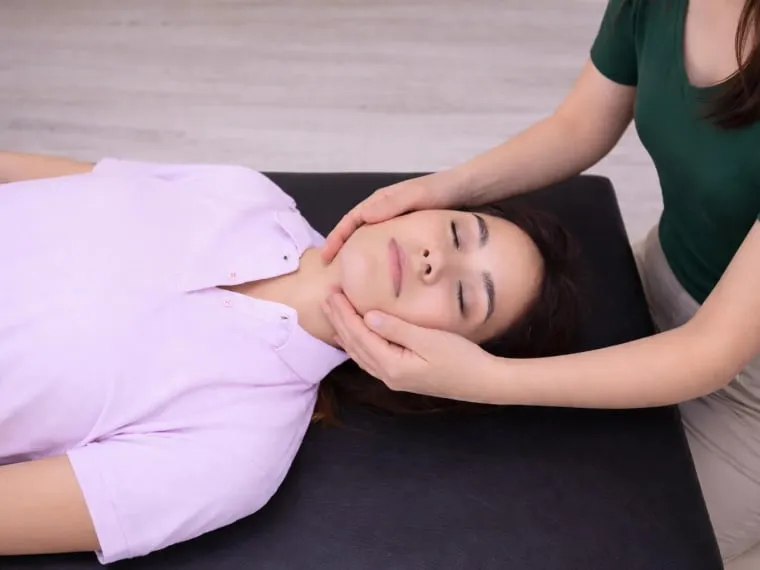
A patient lying on a treatment table while a practitioner assesses the jaw and neck.

Get Relief From Jaw Pain

Jaw pain can involve the joint, surrounding muscles, the neck, and habits such as clenching. Dr. Natalie has advanced training in jaw and craniofacial pain and takes time to assess how these areas may be working together.

Jaw pain is not always limited to the jaw joint. The muscles of the face and temples, the neck, clenching habits, and recent dental work may all be relevant. Dr. Natalie brings those pieces together during the assessment.

Treatment is selected after the findings are clear. It may include gentle joint work, soft-tissue techniques, acupuncture, and practical home guidance. Jaw care can feel unfamiliar. Dr. Natalie explains each technique before using it and checks that you are comfortable. You can ask questions, pause, or decline any part of treatment.

Care with Clear Consent

Nothing is automatic. Dr. Natalie explains each technique before using it, including any option that involves work inside the mouth. You can ask questions, pause, choose an alternative, or decline any part of treatment.

Should I see a chiropractor, dentist, or doctor for jaw pain?

Jaw pain can come from several sources, and the right starting point depends on what is going on. Dr. Natalie's assessment determines whether chiropractic care is suitable and whether another provider should be involved.

  • A dentist can assess tooth pain, bite changes, dental damage, and questions about a night guard
  • Prompt dental or medical assessment is important when the jaw remains locked, you cannot open or close it, symptoms follow significant trauma, or you notice swelling, numbness, weakness, or unexplained worsening
  • Once a dental assessment has ruled out tooth, bite, or other dental concerns, chiropractic care can be a good first choice when jaw pain involves muscle tension, restricted movement, clenching or grinding, or occurs alongside neck symptoms or headaches
  • Care may involve more than one provider, and Dr. Natalie can coordinate with dental or medical care when appropriate

TMJ Treatment: What Dr. Natalie Actually Does

Care is selected from the assessment, your preferences, and the goals that matter to you.

Jaw movement assessment

Dr. Natalie looks at opening, closing, side-to-side movement, comfort, and how the surrounding muscles respond.

Neck and upper-body context

Because jaw and neck symptoms can overlap, she assesses relevant neck movement and muscle tension when appropriate.

Soft-tissue and joint care

Gentle hands-on techniques may be used around the jaw, face, neck, and related joints based on the assessment.

Practical self-care

Your plan may include simple movement, relaxation, or habit strategies selected for your presentation.

What Your First Visit Looks Like

Your initial assessment and treatment appointment is a full 60 minutes.

Review the full history

Dr. Natalie asks about dental work, clenching, injury, headache pattern, neck symptoms, and activities that change the pain.

Assess jaw function

She examines movement, surrounding muscles, and related neck findings without rushing the process.

Explain the findings

You will learn what may be contributing and how the proposed care fits those findings.

Coordinate when needed

Dr. Natalie can recommend dental, medical, or other care when your presentation needs a collaborative approach.

Who Dr. Natalie Treats

  • Jaw pain, clicking, or locking
  • Restricted jaw opening or discomfort while chewing
  • Tension through the jaw, face, or temples
  • Pain after dental work
  • Clenching or grinding habits
  • Headaches or neck tension that may be connected with the jaw
  • Jaw discomfort that has not improved with usual self-care
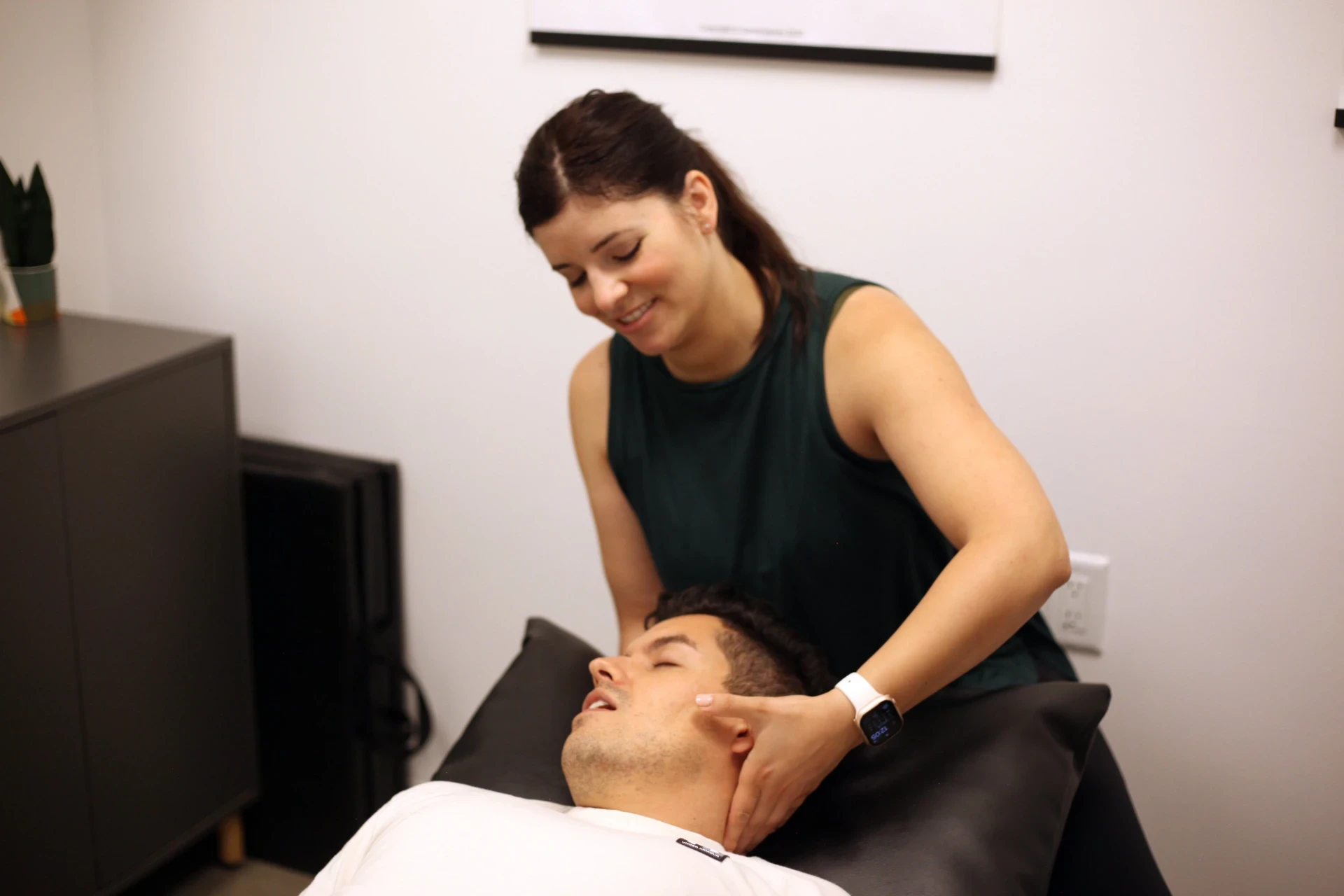
Dr. Natalie providing external jaw and upper-neck care to a patient.

Jaw Pain and TMJ FAQs

What does TMJ mean?

TMJ refers to the temporomandibular joint, which connects the jaw to the skull. People often use TMJ to describe pain, clicking, or movement problems involving this joint and the surrounding muscles.

Can jaw pain be connected with the neck?

The jaw, head, and neck share muscular and nervous-system relationships. Dr. Natalie assesses the neck when it is relevant rather than treating the jaw in isolation.

Will treatment involve work inside the mouth?

Some jaw techniques may be intraoral, but they are never automatic. Dr. Natalie explains the option first, discusses alternatives, and only proceeds with your specific consent.

Do I need a referral for a jaw pain assessment?

No referral is needed to book. Dr. Natalie will assess whether chiropractic care is appropriate and explain when dental, medical, or other care should be involved.

Can jaw pain be treated without medication or surgery?

Some jaw pain presentations are appropriate for conservative care such as gentle joint work, soft-tissue techniques, acupuncture, and practical home strategies. Dr. Natalie will assess whether chiropractic care fits your presentation or whether dental or medical care should come first.

What will my treatment actually involve?

Treatment is selected from the assessment. It may include gentle joint work to restore jaw movement, soft-tissue techniques for the muscles around the jaw, face, and neck, acupuncture when appropriate, and simple home strategies for clenching or tension habits. Dr. Natalie explains each step before she does it, and you stay in control throughout.

How many visits before I notice a difference?

That depends on the findings, how long symptoms have been present, your goals, and how you respond. Dr. Natalie will outline a realistic starting plan after the assessment and review it as care progresses.

Does treatment hurt?

Jaw treatment is generally gentle. You may feel some pressure or mild tenderness in the treated muscles, similar to post-exercise soreness, that usually settles within a day or two. Dr. Natalie adapts pressure and technique to your comfort and checks in throughout the visit.

Ready to Get Your Jaw Sorted?

Book a full first visit with Dr. Natalie or start with a free 15-minute consultation.

Book