 Dr. Natalie Lopez
Why Jaw Pain Happens and How Chiropractic Care May Help
Why clicking, clenching, and jaw tension can persist, and what a jaw and neck assessment may involve.
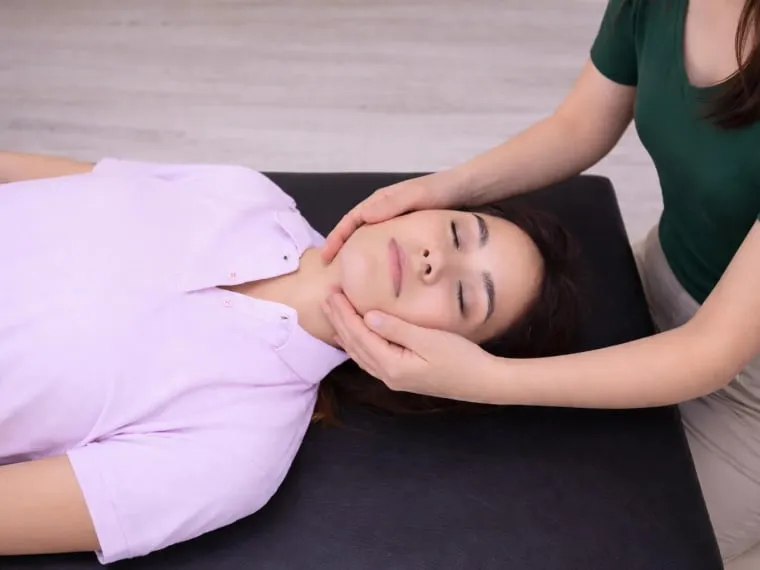
My jaw clicks every time I open my mouth. Is that normal, or should I get it checked?
That is one of the most common questions I hear in practice, and it is worth answering clearly. Jaw clicking on its own is not always a problem. But when clicking comes with pain, locking, tension, headaches, or a jaw that does not open the way it used to, it deserves a proper look. This guide explains why jaw pain happens, when it matters, and what a jaw and neck assessment with Dr. Natalie may involve.
Why your jaw might click, clench, or ache
The jaw, neck, and head are closely connected through shared muscles and nerves. Jaw pain rarely comes from one single cause. Dr. Natalie often sees symptoms connected with a combination of factors:
- Clenching and grinding. Many people clench during the day or grind at night without realizing it. This loads the jaw muscles and joint, and it often shows up as morning jaw or temple tension.
- Jaw habits and chewing. Chewing on one side, biting pens, or resting your chin on your hand can load the jaw unevenly over time.
- Stress and muscle tension. The jaw muscles are a common place to hold tension, and that tension can build through a stressful day.
- The neck and upper spine connection. Jaw mechanics and upper neck function are closely linked. Tension in the neck often shows up as jaw discomfort, and the reverse is also true.
- Dental work or injury. Recent dental procedures, trauma, or a change in bite can leave the jaw feeling restricted or sore.
Clicking without pain is not always a problem. But pain, locking, or reduced opening deserves assessment. If the jaw is not tracking the way it should, the surrounding muscles often work harder to compensate, and that is where the ache and tension usually come from.
When jaw pain matters
It is worth getting a jaw assessment when:
- Your jaw clicks or pops with pain
- Your jaw locks, even briefly, making it hard to open or close your mouth
- You have frequent tension headaches around the temples
- You notice ear pain or fullness with no infection present
- Neck tension accompanies your jaw discomfort
- Pain started after a dental procedure or injury
If you are experiencing any of these, an assessment can help you understand what is going on and whether chiropractic care is a good fit.
What a jaw and neck assessment involves
Dr. Natalie treats the jaw, neck, and surrounding muscles together, because TMJ symptoms are often connected. What feels like an ear problem or a headache often starts with the jaw and upper neck. Treating all of it at once is what makes chiropractic care effective for jaw pain.
Your first visit with Dr. Natalie is 60 minutes. It includes a conversation about the concern and your goals, a focused assessment of how your jaw opens, closes, and moves side to side, a check of the surrounding muscles and the neck, and a clear explanation of the findings before any treatment begins.
Depending on what the assessment finds, care may include:
- Joint work to improve how your jaw joint moves and reduce restriction
- Soft tissue therapy to release the muscles around and inside the jaw that are compensating for joint restriction
- Acupuncture to reduce pain and tension in the jaw and surrounding areas when appropriate
- Movement and habit guidance to help you break clenching patterns and support the jaw between visits
Care is individualized and depends on what the assessment finds. Dr. Natalie explains what she is proposing, what you may feel, and what the alternatives are before proceeding. You can ask questions, request a gentler option, or pause any part of care.
When chiropractic care is not the right first step
Jaw pain can also have dental or medical causes that need the appropriate provider first. Reach out to a dentist or a medical professional if you notice:
- Tooth pain, a change in your bite, dental damage, or questions about a night guard
- Significant trauma or swelling around the jaw
- Locking that will not release
- Neurological symptoms, or jaw pain that is getting worse without explanation
If your symptoms point to a dentist or physician, Dr. Natalie will say so and help coordinate the right next step. Many patients are cared for by more than one provider at a time, and Dr. Natalie works alongside dental or medical care when that serves you better.
When to get individual advice
General information can help you understand the possibilities, but it cannot diagnose a concern. New, severe, rapidly changing, or worrying symptoms should be assessed by an appropriate health professional. If you are unsure where to begin, a free 15-minute consultation is a low-pressure way to ask whether an appointment makes sense.
Book a first visit with Dr. Natalie at rosannacheng.janeapp.com, or call 647.799.5155.
FAQ
Can jaw pain be treated without medication or surgery?
Yes, for many presentations. Joint work, soft tissue therapy, and acupuncture are all options for jaw and TMJ pain. Surgery and medication are not the only options. Dr. Natalie will assess your case and recommend what she believes will work best for you.
What will my jaw treatment actually involve?
It depends entirely on your assessment. Dr. Natalie may use jaw and neck joint work, soft tissue release, acupuncture, and corrective exercises. She customizes every plan; there is no preset protocol.
Does the treatment hurt?
Not typically. Treatment is targeted and controlled. You may feel mild soreness afterward, especially early on, but this usually settles quickly. Dr. Natalie always explains what she is doing before she does it.
Do I need a referral?
No. You can book directly with Dr. Natalie without a referral. Bring any notes or imaging from your dentist or doctor if you have them, but it is not required.
Dr. Natalie Lopez · 3050 Preserve Dr, Oakville, ON L6M 0T9 · (647) 799-5155
Hours: Tuesday 4:00 PM – 8:00 PM · Thursday 11:00 AM – 8:00 PM · Saturday 10:00 AM – 3:00 PM
Book an appointment with Dr. Natalie: Book online
Or call (647) 799-5155.
Related Services

Want to talk about your situation?
Book a free 15-minute consultation or plan a first visit with Dr. Natalie at Preserve Oak Wellness.