 Dr. Natalie Lopez
Can Chiropractic Help With Headaches?
Chiropractic care may help some headache patterns when neck tension, jaw clenching, or upper-body mechanics are contributing.
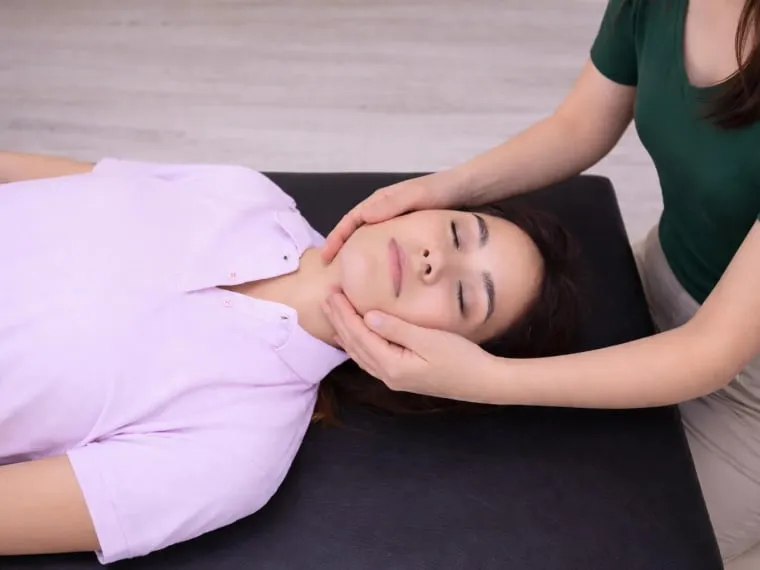
Yes, depending on the headache pattern and what is contributing to it. Chiropractic care can help with headaches when the underlying issue is connected to neck tension, jaw clenching, muscle tightness, or how the upper body moves and loads through the day. It is not a one-size-fits-all treatment for every headache or migraine, and it does not replace medical care when a headache is a medical issue first.
Dr. Natalie starts with a one-on-one assessment to understand the underlying pattern before recommending care. If your headaches are recurring and seem connected to the neck, jaw, or upper-body tension, the headache care page walks through how Dr. Natalie assesses the contributors and what a plan of care may look like.
What can a tension headache feel like?
A tension headache often feels like pressure or a tightening band around your head. You may feel it on both sides, with tenderness around the head or neck. Everyday movement usually does not make it worse.
These symptoms can help you describe what you are feeling, but they do not confirm the headache type on their own. If your headaches are new, changing, or happening often, speak with a healthcare provider about an assessment.
What can contribute to tension headaches?
Stress, disrupted sleep, and caffeine can play a part. You may also notice neck or jaw tension around the same time. That is useful to mention during your assessment, but it does not mean muscle tension explains every headache.
A short note about when your headaches happen, how they feel, and what else was going on that day can help. Dr. Natalie will listen to your experience and assess whether there are physical findings that fit chiropractic care or whether another provider should be involved.
Which headaches are more likely to respond to chiropractic care
Chiropractic care is most likely to help when the headache pattern overlaps with issues it can assess and treat:
- Tension-type headaches, where muscle tightness around the neck, shoulders, scalp, or jaw is part of the pattern. This is the most common type Dr. Natalie sees, and it often responds well when the muscle tension is addressed directly.
- Cervicogenic headaches. Cervicogenic headaches are headaches associated with the neck joints and surrounding muscles. These start in the neck and refer pain into the head, and they are frequently mistaken for tension headaches or migraines.
- Headaches that show up alongside jaw clenching, TMJ irritation, long desk or screen sessions, or sustained neck tension. When the jaw is part of the picture, Dr. Natalie assesses it as part of the headache workup because the jaw, neck, and head share muscle and nerve connections.
Migraines work differently
Chiropractic care is not a standalone migraine solution. Some migraine patterns have physical contributors, such as neck tension or jaw loading, and chiropractic care can help address those alongside the rest of a patient's medical migraine care. If you manage migraines with a neurologist, family doctor, or another provider, chiropractic care can sit alongside that care rather than replace it. Dr. Natalie will coordinate and communicate when another provider is already involved.
When chiropractic care is not the right first step
Some headaches need medical attention first. Reach out to a medical provider, urgent care, or an emergency department if a headache is:
- Sudden and severe, especially if it is the worst headache you have ever had
- Paired with vision changes, weakness, confusion, fever, a stiff neck, or difficulty speaking
- Following a significant head or neck injury
- New for you or changing quickly in frequency, intensity, or pattern
These are signals that the headache may have a medical cause that needs to be ruled out before any hands-on care makes sense. Dr. Natalie refers out when chiropractic is not the right fit, and she will tell you honestly when a headache needs medical assessment instead.
What Dr. Natalie looks at during a headache assessment
The first visit is 60 minutes, one-on-one, and built around your specific headache pattern. Dr. Natalie gathers:
- A headache history, including location, frequency, common triggers, and prior care
- How the neck moves, where muscle tension sits, how the upper-back and shoulder joints feel, and a basic nerve screen
- Whether the jaw or TMJ is part of the picture, including clenching, clicking, or tenderness after dental work
- How your day loads the upper body, including desk and screen time, driving, training, or caregiving patterns
- Whether the underlying pattern is something chiropractic care can help with, or whether a referral is the better next step
If your pattern points to a medical issue first, Dr. Natalie will say so and help point you in the right direction. If the pattern points to neck, jaw, or muscle contributors, chiropractic care can be a useful way to treat those drivers directly.
What care may include
Care is individualized and depends on what the assessment finds. When the underlying issue is mechanical or tension-related, care may include:
- Chiropractic adjustments to the neck, upper back, or jaw
- Soft tissue therapy for tension in the neck, shoulders, jaw, and upper back
- Acupuncture, including contemporary approaches for headache and craniofacial pain, when appropriate
- Rehab guidance and ergonomic education to help change daily loading patterns that are feeding the headaches
If neck tension is one of the contributors, Dr. Natalie may talk through how neck pain care fits into the plan. If the jaw is part of the picture, she may reference what jaw pain and TMJ care can include.
How this differs from just taking pain relievers
Pain relievers can take the edge off in the moment. Chiropractic care is different because it looks for treatable physical drivers behind the headache pattern.
Dr. Natalie's role is to figure out whether physical contributors, such as neck joint restriction, muscle tension, jaw loading, or daily movement patterns, are part of your headache pattern. When they are, chiropractic care can help by treating those contributors instead of only chasing symptoms. When the contributors are mostly medical, hormonal, dietary, or stress-related, the right next step may be another provider. The assessment helps you know which path fits your situation.
When to book
It is a good time to book an assessment with Dr. Natalie if your headaches are recurring, not an emergency, and seem connected to:
- Neck tension or stiffness, especially across the base of the skull or shoulders
- Jaw clenching, TMJ symptoms, or tension that builds through the workday
- Long desk or screen sessions, driving load, or training that loads the upper body
- Stress-related muscle tension that shows up as headaches
You do not need a referral. If the underlying issue fits chiropractic care, Dr. Natalie can build a plan to address it. If chiropractic is not the right fit for your pattern, you will leave with a clear next step either way.
Book an assessment with Dr. Natalie at rosannacheng.janeapp.com, or call 647.799.5155.
FAQ
Can chiropractic help tension headaches?
Yes. Chiropractic care can help tension headaches when neck, shoulder, scalp, or jaw tension is part of the picture. Dr. Natalie assesses the pattern first, so you know whether chiropractic care fits before any treatment begins.
Can chiropractic help migraines?
It is not a standalone migraine treatment. For migraine patterns with physical contributors, chiropractic care can help address issues such as neck tension alongside a patient's medical migraine care.
How do I know if my headache needs medical care first?
A sudden severe headache, new neurological symptoms like vision changes, weakness, or confusion, a fever or stiff neck, or a quickly changing headache pattern should be assessed by a medical provider before any hands-on care.
Dr. Natalie Lopez · 3050 Preserve Dr, Oakville, ON L6M 0T9 · (647) 799-5155
Hours: Tuesday 4:00 PM – 8:00 PM · Thursday 11:00 AM – 8:00 PM · Saturday 10:00 AM – 3:00 PM
Book an appointment with Dr. Natalie: Book online
Or call (647) 799-5155.
Related Services

Want to talk about your situation?
Book a free 15-minute consultation or plan a first visit with Dr. Natalie at Preserve Oak Wellness.