Skip to content
Dr. Natalie LopezChiropractor
Menu

What Is a Chiropractic Adjustment? Everything You Need to Know

Learn how chiropractic adjustments may fit within a broader, personalized assessment and treatment plan. Dr. Natalie provides this care at Preserve Oak Wellness in Oakville.

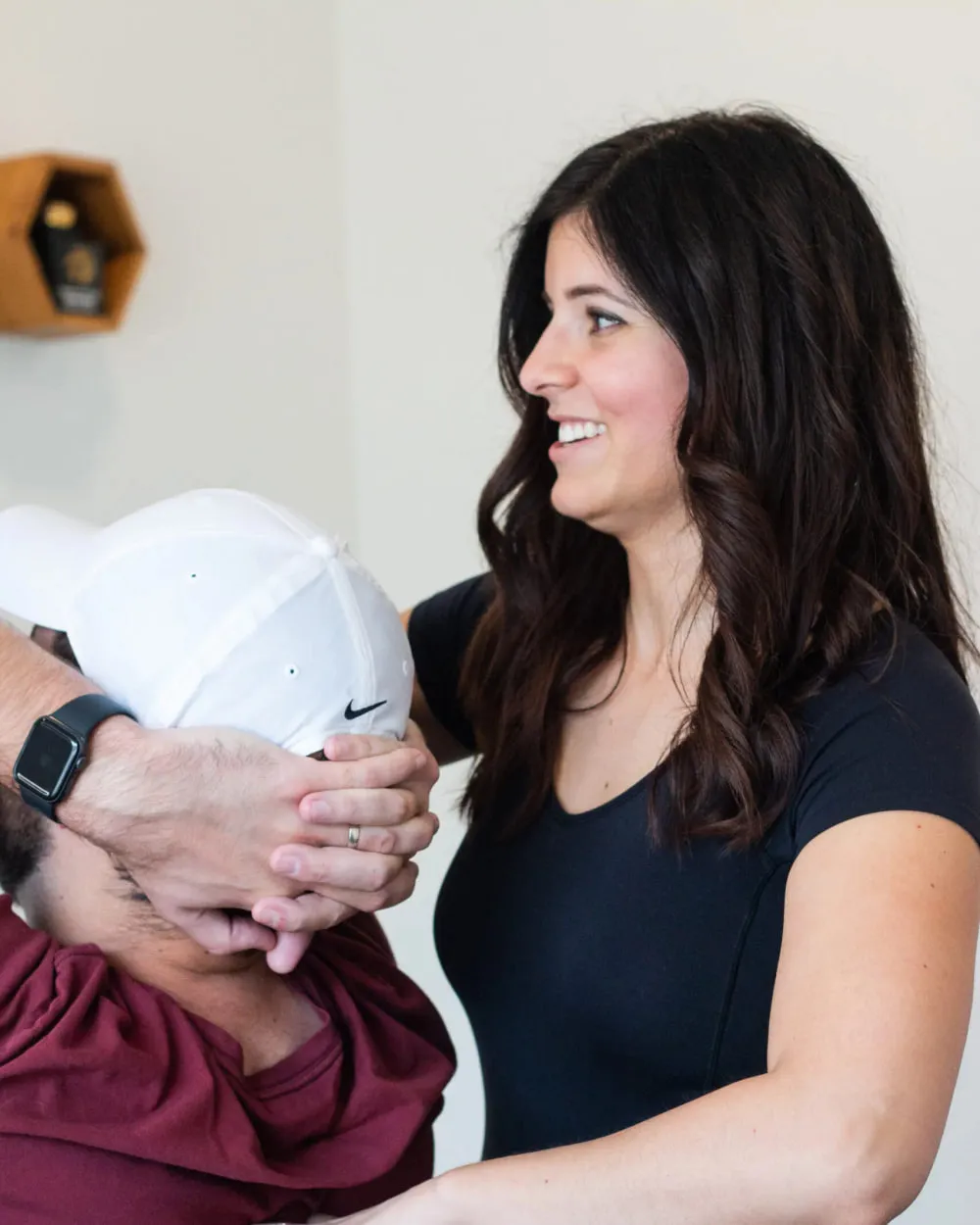
Dr. Natalie Lopez providing hands-on treatment to a patient in a clinic room.

What Is a Chiropractic Adjustment?

An adjustment is one possible technique within chiropractic care, not the whole appointment. Dr. Natalie first listens, assesses, and explains what she found. If an adjustment is appropriate, she discusses the technique and alternatives before proceeding.

Dr. Natalie’s visits are designed around understanding the problem and choosing an appropriate plan. Adjustments may be helpful for some presentations, but they are not automatic and are not used as a substitute for assessment.

Your care may combine joint treatment with soft-tissue techniques, acupuncture, and exercises. The balance depends on what you need and how you respond.

Consent is an ongoing conversation. Dr. Natalie explains before treatment and welcomes questions. You can change your mind or ask for another option at any time.

What Is That Cracking Sound?

The sound sometimes heard during an adjustment comes from a pressure change inside the joint. A sound is not required, and lower-force or non-thrust options are available.

Chiropractic care begins with listening and assessment. An adjustment may be useful for some joint and movement findings, but it is never automatic and does not replace the rest of the clinical picture.

Your visit may also include soft-tissue care, acupuncture, rehabilitation, or practical guidance depending on your needs and preferences.

Full-Treatment Visits

Care is selected from the assessment, your preferences, and the goals that matter to you.

Assessment first

Dr. Natalie determines whether a joint-focused technique fits your symptoms, health history, examination, and goals.

Clear explanation

She explains what she is proposing, what you may feel, and what other options are available.

Technique adapted to you

Adjustments can be modified in position, force, and approach based on your comfort and clinical needs.

More than an adjustment

Care may also include soft-tissue treatment, acupuncture, exercise, and practical guidance.

Your First Visit with Dr. Natalie

Your initial assessment and treatment appointment is a full 60 minutes.

Share your history and preferences

Tell Dr. Natalie about previous care, helpful or uncomfortable experiences, and any concerns you have.

Complete an assessment

She checks relevant movement, joints, muscles, and other findings before recommending a technique.

Review options and consent

You can ask questions, choose an alternative, or decline an adjustment at any point.

Reassess

Dr. Natalie checks how you respond and uses that information to guide the rest of the visit and future care.

After Your Adjustment: What to Expect

Dr. Natalie reassesses how you respond and explains any movement guidance, home care, or next steps before the visit ends.

  • First-time chiropractic patients who want a clear explanation
  • Patients with neck, back, or extremity stiffness and movement concerns
  • Patients who prefer lower-force or non-thrust options
  • Patients with previous chiropractic experiences they want to discuss
  • Patients who want joint care combined with exercise or soft-tissue treatment
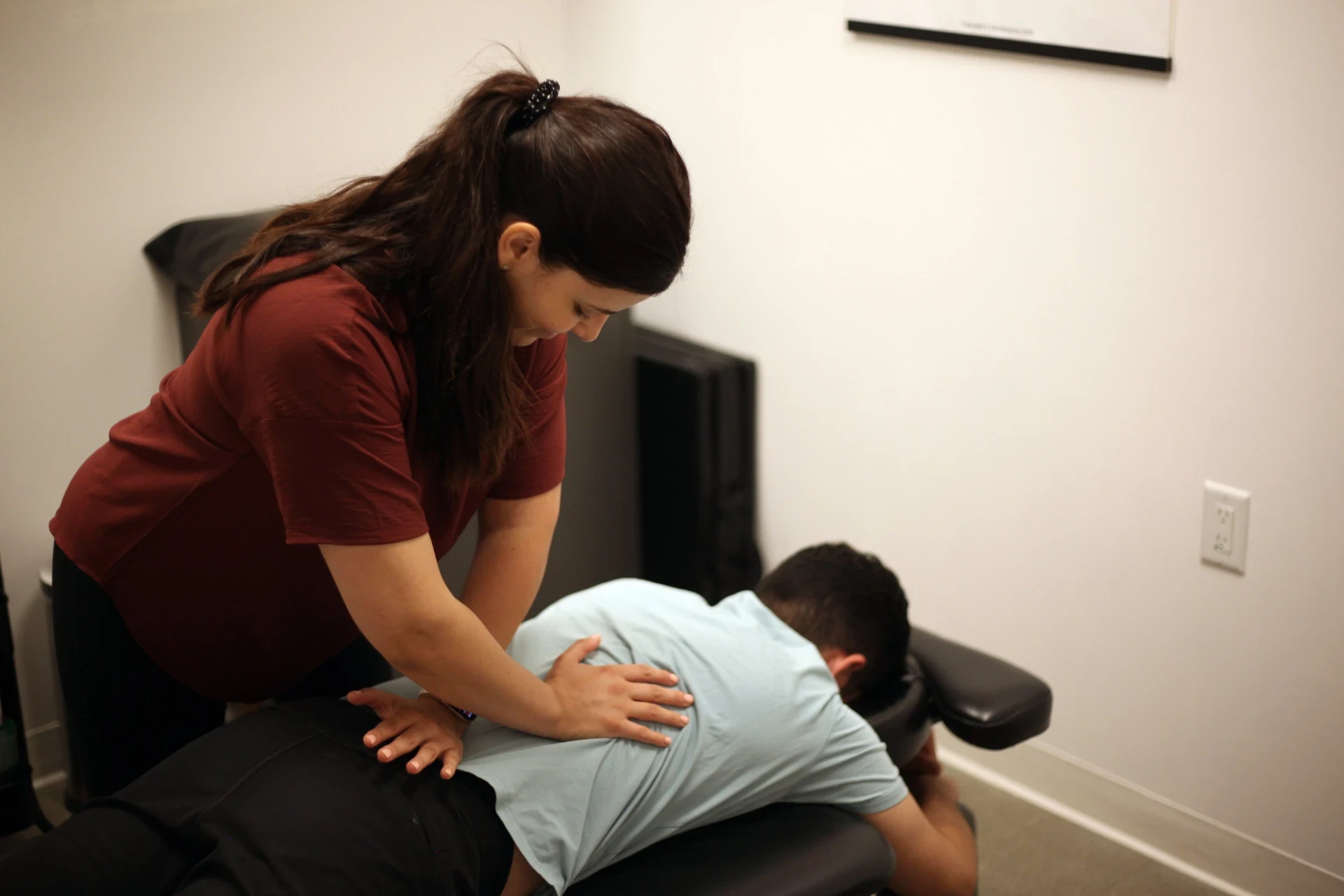
Dr. Natalie providing a prone spinal adjustment during a chiropractic appointment.

Common Questions About Chiropractic Adjustments

What is a chiropractic adjustment?

A chiropractic adjustment is a controlled, hands-on technique applied to a joint. The exact position, speed, and force vary with the person and the goal of care.

Do all visits include an adjustment?

No. Dr. Natalie recommends techniques based on the assessment, your preferences, and how you are responding. Some visits may focus on other forms of care.

Do I have to hear a popping sound?

No. A sound can occur when pressure changes inside a joint, but it is not required for the technique to be useful. There are lower-force and non-thrust options.

What if I am nervous?

Tell Dr. Natalie. She will explain the options, answer questions, and can use a different technique or avoid adjustments entirely if that is the right choice for you.

Ready to Experience a Full-Treatment Visit

Book a full first visit with Dr. Natalie or start with a free 15-minute consultation.

Book