 Dr. Natalie Lopez
How to Sleep With Neck Pain: Simple Changes to Try and When to Get Help
Waking up with neck pain? Dr. Natalie Lopez, a chiropractor in Oakville, shares simple sleep changes to try tonight and the signs that it is time to get assessed.
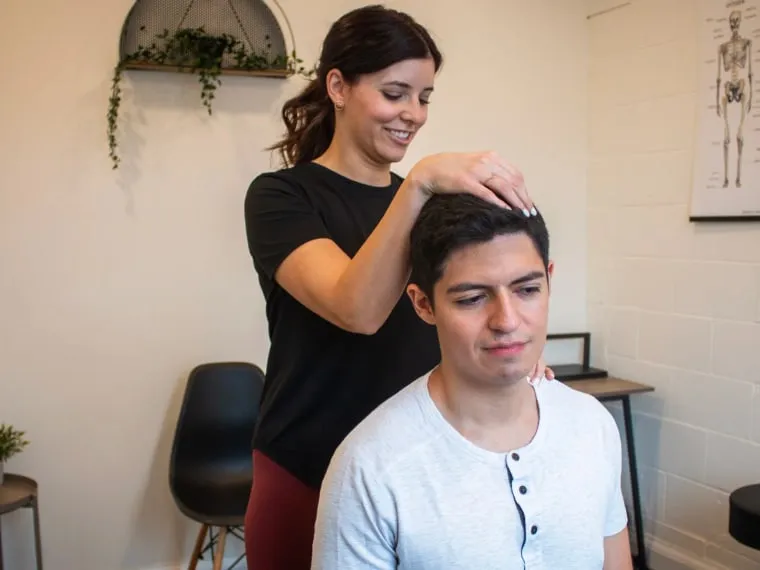
Waking up with a sore neck can make it hard to feel rested. A small change to your pillow or sleeping position may help, but repeated morning pain can have several causes. You do not need to keep buying pillows or guess which part of your neck is responsible.
Start with a comfortable setup and notice how you feel. If stiffness keeps returning or follows you into the day, Dr. Natalie can assess what may be contributing. The neck pain care page explains her approach.
Back Sleeping: Finding Comfortable Support
Back sleeping is one option to try. Choose a pillow that supports your head and neck without pushing your chin toward your chest. If the position feels uncomfortable, adjust the support or try your side.
You do not have to force yourself to sleep on your back. The Ontario Chiropractic Association sleep guide describes both back and side sleeping as options. Follow any individual sleep-position advice from your medical or maternity provider.
Side Sleeping: Adjusting Your Pillow
On your side, aim to keep your head in line with your body. A pillow that is too high tips your head upward; one that is too low lets it drop toward the mattress.
Check the fit while lying on your usual mattress, with your weight on the pillow. There is no useful fixed height for everyone because pillows compress differently and bodies vary. Make a small adjustment and check whether you feel more comfortable.
The Position to Reconsider: Stomach Sleeping
Sleeping on your front usually means turning your head to one side. The HealthLink BC neck pain guide advises avoiding stomach sleeping with your neck twisted.
If this is your usual position, try settling on your side or back and see how it feels. Changing a familiar sleep habit can take time. If each position hurts, ask for an assessment instead of forcing one.
Pillows: What Actually Helps (and What Is Hype)
Start by checking the pillow you already have. A useful pillow feels comfortable in your usual sleeping position and supports your head without forcing your neck into a bend.
- Height. Check how the pillow feels under your head, rather than relying on its measurements in the shop.
- Shape and feel. A contour or foam pillow is an option to try, but its label alone cannot tell you whether it will suit you.
- Adjustability. Removable filling can make it easier to try a small change in height.
- Condition. If your pillow is lumpy or no longer holds a comfortable shape, consider replacing it.
Before buying, check the return policy so you have room to find a comfortable fit. A new pillow is an option, not a requirement for getting help with neck pain.
Why Your Neck Hurts More in the Morning
An uncomfortable sleeping position may contribute to soreness, but morning pain alone cannot identify the cause. Notes about your symptoms can make an assessment more useful:
- Does the discomfort wake you, or do you first notice it when getting up?
- Does it ease as you move, or stay with you through the day?
- Have you noticed headaches, arm symptoms, an injury, or a change in your daily routine?
You do not need to work out the diagnosis yourself. Bring the pattern you have noticed and the changes you have already tried.
When It Is Not the Pillow
Arrange an assessment if:
- Pain keeps returning, interrupts sleep, or limits everyday movement.
- Stiffness has not settled after a few weeks.
- You are worried about your symptoms or unsure what to try.
Speak with a medical provider if neck pain comes with arm numbness or tingling. Severe pain, new arm or hand weakness, or changes in vision need prompt medical advice. These symptoms should not be treated as a pillow problem.
What a First Visit Looks Like
Dr. Natalie will ask about your symptoms, sleep and daily activities, then assess the areas that are relevant. She will explain the findings and discuss whether hands-on care, movement guidance, or another provider is appropriate. You can read the first-visit guide before booking.
FAQ
Can the wrong pillow actually cause neck damage?
A pillow that feels uncomfortable may contribute to soreness, but waking up sore does not tell you that your neck is damaged. If pain persists or changes, an assessment can help you understand what may be contributing.
What pillow does a chiropractor recommend for neck pain?
There is no single pillow recommendation for everyone. Look for comfortable support in your usual sleeping position, and check the fit while lying on it. You can discuss ongoing pain with Dr. Natalie before buying another pillow.
Should I sleep without a pillow if my neck hurts?
Removing your pillow is not an automatic solution. Aim for comfortable support that keeps your head in line with your body. The amount of support you need depends on your sleeping position and mattress. Adjust it if it increases discomfort.
Dr. Natalie Lopez · 3050 Preserve Dr, Oakville, ON L6M 0T9 · (647) 799-5155
Hours: Tuesday 4:00 PM – 8:00 PM · Thursday 11:00 AM – 8:00 PM · Saturday 10:00 AM – 3:00 PM
Book an appointment with Dr. Natalie: Book online
Or call (647) 799-5155.
Related Services

Want to talk about your situation?
Book a free 15-minute consultation or plan a first visit with Dr. Natalie at Preserve Oak Wellness.