 Dr. Natalie Lopez
Acupuncture for Musculoskeletal Injuries: What to Expect
What an acupuncture appointment may involve when pain, muscle tension, or a musculoskeletal injury is part of the picture.
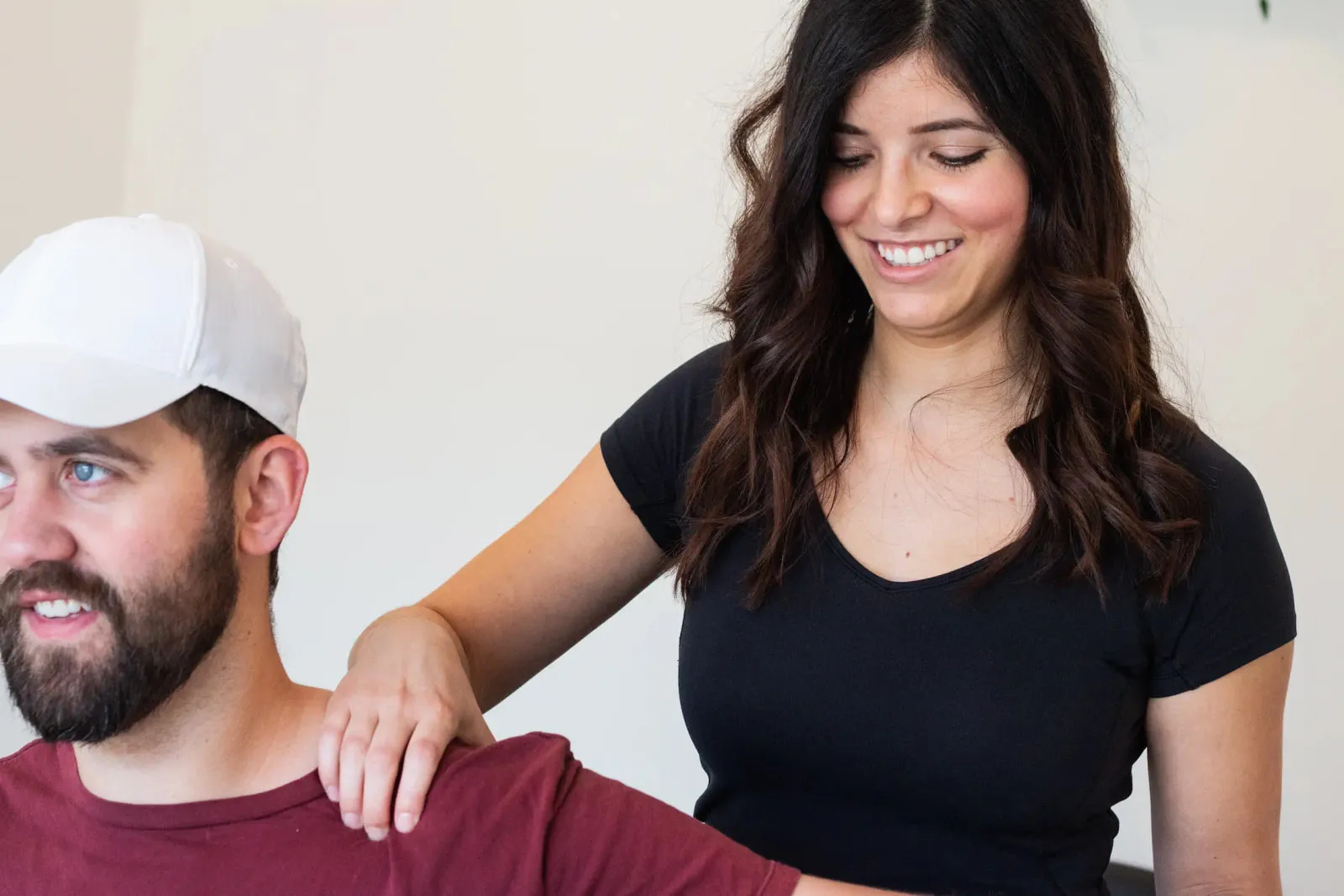
Acupuncture may be considered as part of care for some pain and movement concerns. The first step is to assess what is happening and whether needling is appropriate for you. You can ask about the purpose of treatment and other options before deciding.
What acupuncture means in a chiropractic visit
Dr. Natalie uses functional integrated acupuncture as one option within chiropractic care for pain and movement concerns. The College of Chiropractors of Ontario acupuncture standard (PDF) requires chiropractors to assess the patient, explain the findings and plan, and obtain informed consent before providing acupuncture within their scope.
You can book an assessment without deciding in advance that you want needles. Treatment is considered after the history and examination, alongside options such as exercise, education, or hands-on care.
What acupuncture may help with
The National Center for Complementary and Integrative Health reports that acupuncture may help some pain conditions, including back or neck pain and knee pain related to osteoarthritis. Benefits vary by condition and by person.
Those findings do not establish that needling repairs an injury or speeds tissue healing. If you have a recent injury, the assessment comes first. Ask what acupuncture is intended to help with, what other options fit your concern, and how you will review the response.
- Back and neck pain: the NIH review reports possible pain relief, with results varying by the condition, study, and comparison treatment. Evidence for a recent back-pain episode is less certain than for persistent low-back pain.
- Knee osteoarthritis: Arthritis Society Canada describes possible benefit alongside usual arthritis care, while noting limitations in the research. This does not establish that acupuncture restores damaged cartilage.
Research on one pain condition cannot tell you whether needling will help a different injury. Ask which findings apply to your situation and what improvement would make treatment worthwhile for you.
How the appointment unfolds
- History and assessment. Describe when the problem started, what brings it on, and the activity you want to return to. Dr. Natalie checks the findings relevant to your concern and whether further medical assessment is needed.
- Discussion and setup. If acupuncture is proposed, she explains the areas being treated, the purpose, expected sensations, risks, and alternatives. You can ask about positioning, clothing, and privacy before agreeing.
- Needling and comfort checks. Fine, sterile, single-use needles are placed in the selected areas. Let Dr. Natalie know how you feel throughout so a needle can be adjusted or removed when needed.
- Reassessment and next steps. After treatment, relevant symptoms or movement may be checked again. Discuss home guidance and what to report before another visit.
The number of needles and time spent needling depend on the plan. More needles or a stronger sensation should not be treated as a goal. Ask how this part of the appointment relates to the change you want to notice.
What needling may feel like
- You may feel a brief pinch or pressure as a needle is inserted.
- Once a needle is in place, sensations can include heaviness, warmth, or a mild ache. Different areas may feel different.
Tell Dr. Natalie if a sensation is sharp, painful, or makes you uneasy so she can pause and check it. If you are nervous about needles, ask her to explain each step or discuss another treatment option before starting.
Possible side effects and risks
You may notice soreness, a small bruise or spot of bleeding where a needle was placed. Some people feel nauseated or faint. Serious complications are rare, but can include infection or injury to an organ. The Canadian Chiropractic Protective Association acupuncture consent guide (PDF) describes these risks in more detail.
Dr. Natalie will discuss the risks relevant to your health and the area being treated. Tell her about blood-thinning medicines, a bleeding condition, skin infection, pregnancy, or a previous reaction to needles. You can choose another approach.
Information to share before treatment
Bring your medication list and any relevant injury reports. If you tend to feel faint or feel anxious about needling, say so before treatment begins. That conversation helps Dr. Natalie assess suitability and discuss your preferences.
Mention implanted electrical devices, metal allergies, immune conditions, and any change in your health since the last visit. These details can affect whether a technique is suitable. Do not stop a prescribed medicine on your own to prepare for needling.
You can ask to pause or stop if a sensation feels uncomfortable. New or worsening symptoms need reassessment; acupuncture should not delay medical care for an injury or another concern that needs it.
Aftercare and symptoms to report
Before leaving, ask what response is expected, what activity advice applies to you, and how to contact Dr. Natalie if you have a concern. If you feel faint or unwell, tell her before standing up or leaving. Record any soreness or symptom change so you can describe it clearly at follow-up.
Increasing redness, warmth, swelling, or fever after needling needs medical advice. New chest pain or shortness of breath needs emergency assessment, especially after needling around the chest or upper back. The College of Physiotherapists of Alberta explains these needling risks. Do not wait for a routine appointment if urgent symptoms develop.
Deciding whether acupuncture is helping
Choose a practical measure before treatment, such as how comfortably you can climb stairs, turn your head, or complete a work task. Alongside pain and examination findings, note whether any change lasts beyond the appointment and whether the activity is becoming easier.
Discuss when you will review the response and what would lead to a change in the plan. Short-lived relief, no improvement, or unwanted effects are reasons to reassess the approach. Feeling sore afterwards is not proof that treatment worked, and a brief reduction in pain does not establish that an injury has healed.
Read about acupuncture care and the first appointment to understand how the assessment comes before choosing a technique.
Related Services

Want to talk about your situation?
Book a free 15-minute consultation or plan a first visit with Dr. Natalie at Preserve Oak Wellness.